We have a set of trustees, who are responsible for financial oversight and executive governance:
Friends also operates a management board. This meets meets on a regular basis to co-ordinate our many projects and our month-to-month activities. We are all volunteers.
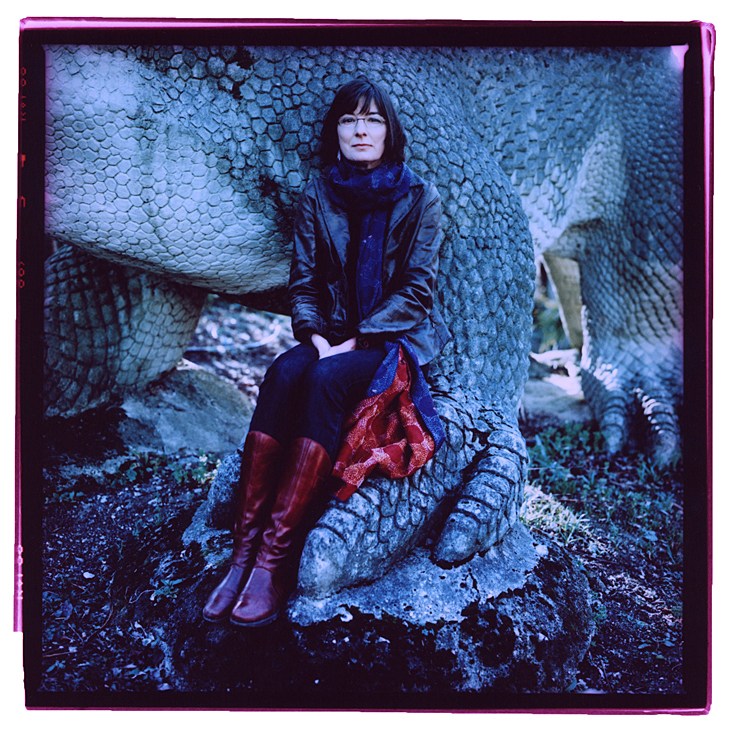
I am a taxonomist and evolutionary biologist at the Natural History Museum. My research focus is on African freshwaters, especially the species radiations in ancient lakes of the East African Rift.
I’ve always had a strong interest in the history and philosophy of science; that, combined with my commitment to making a difference to my local community, made it pretty clear that the Crystal Palace Dinosaurs would become a focus for my efforts. The ‘Dinos’ are stellar for a range of reasons – their construction heralded a major paradigm shift in the history of science, as they were the first life-sized reconstructions of extinct animals; they were ground-breaking for the history of public engagement, as the first big scale edu-tainment on natural history; and they are also just incredibly beautiful and stunningly cool as sculptures. When you walk among them you feel like you are living ‘Where the Wild Things Are’.
By preserving these Grade 1 heritage assets and building an educational engagement programme around them, we hope to convey excitement about key ideas in natural science for generations to come.
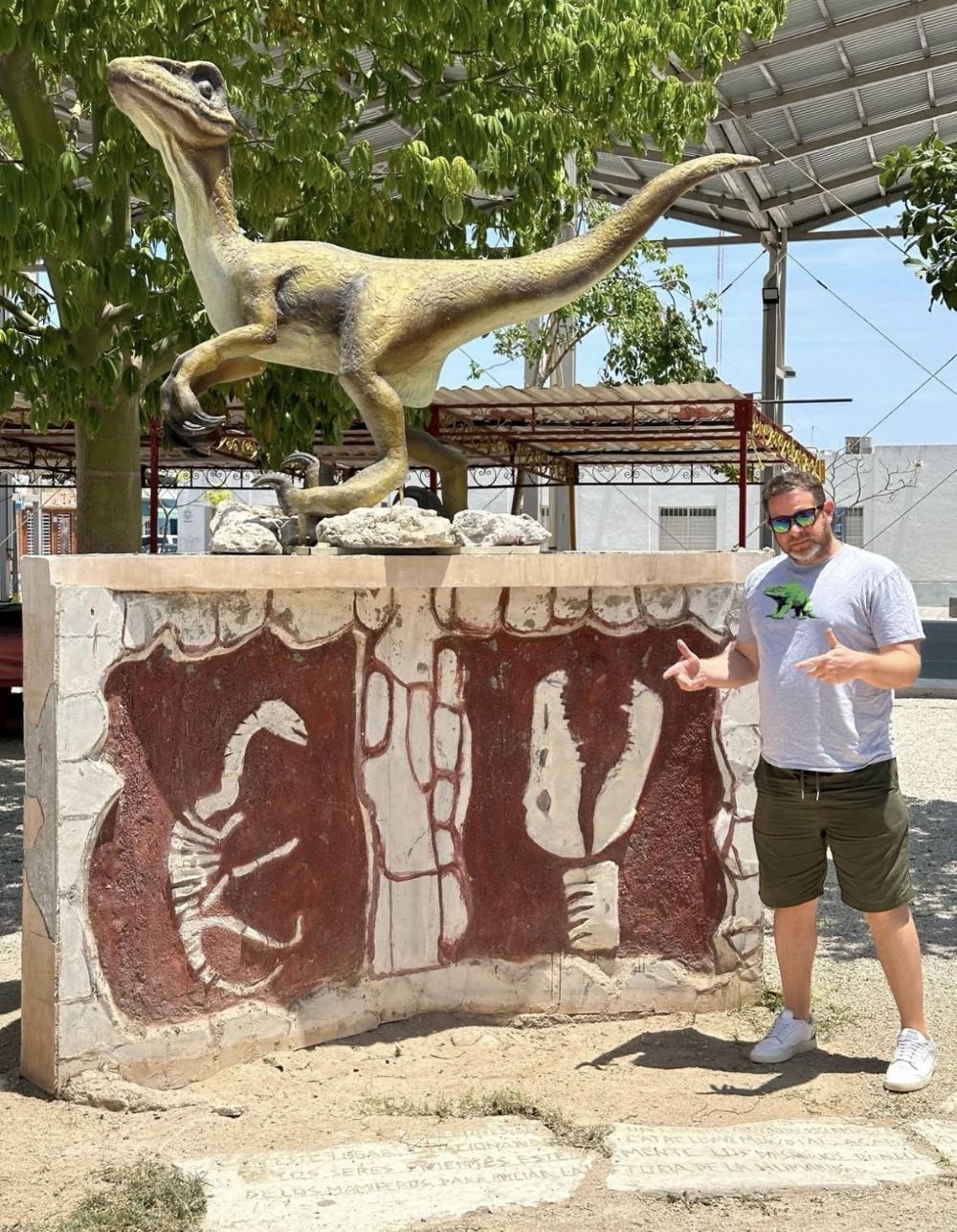
I have lived in South East London since 2009, and became aware of the Crystal Palace Dinosaurs shortly after. Professionally, I’ve been working in the non-profit sector for many years. Personal interest in the history of science and research into the Crystal Palace lead me to the Friends, and I attempt to manage our digital presence. I’ve taken my own children around the Dinosaurs many times, and there is something in rounding a corner and seeing them that elicits an emotion every time - a bit like seeing a classic steam train or aircraft at a museum.
Recently, I’ve taken our t-shirt to Chicxulub in Mexico - the location of the asteroid impact that brought the age of dinosaurs to an end. I’m overjoyed that our Dinosaurs are far from extinct.

I am a palaeontologist working at University College London, although the fossils I study, coccoliths, are rather too small to end up as sculptures in the park. I have strong interest in history of geology and of London. The Crystal Palace sculptures are a wonderful piece of that heritage, and it is good to be able to help ensure their future. In addition to my palaeontological background I have experience as a trustee of other charities, including the Camphill Village Trust and I am leading a substantial project, Mikrotax, which is putting data on microfossils on the web.

I have been a resident of Southeast London since 2015 when I moved from the Canadian Prairies. It was love at first sight when I first visited the Crystal Palace Dinosaurs. They remind me so much of roadside monumental sculpture back home. I have a Bachelors and Masters Degrees in Fine Art with majors in Ceramics and Sculpture. My masters degree at Carnegie Mellon University focused on collaborating with audiences and communities outside the art world and also strongly encouraged relationships between arts and science. My own practice and research focuses on combining traditional and digital skills to make either miniature of large scale works. Prior to and during my education I worked in retail for over 10 years, in sales, management and display.
I currently work for University of the Arts London (UAL) across 3 colleges as a Technical Operations Manager. My remit is to manage all the 3D workshops and the staff within them to help make sure they operate reliably and safely for students and staff. These workshops include foundries, moldmaking, metalwork, ceramics, woodwork, plastics, and digital fabrication. My remit also extends to include serviced resources such as digital print, equipment loan store and AV support.
I hope to use the skills I’ve gathered to help ensure the ‘Dinosaurs’ have the care, protection, admiration and popularity they deserve.

As the curator of meteorites at the Natural History Museum, I usually answer questions about how the dinosaurs became extinct, but as a proud Penge resident, I’m thrilled to be contributing to the conservation of my dino neighbours.
I’ve got a background in scientific research and museum studies, and I am passionate about the role of museums and cultural sites in society – I think a scientifically literate, collaborative, and inquisitive society is crucial to our species. These sculptures spark curiosity and open up an opportunity to talk about how science works, as well as being such an important historical anchor in natural science communication. Not to mention, they are just absolutely endearing, full of personality, and brighten up every trip to the park.
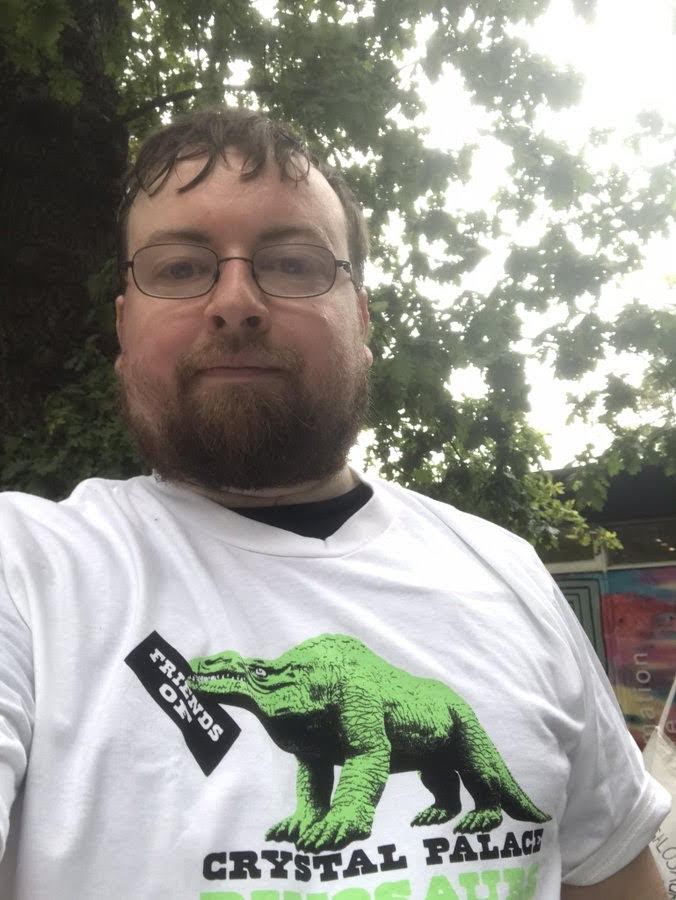

I have lived most of my life in south London, and can remember visiting the dinosaurs as a child. I now live very close to the Crystal Palace park and am a regular dog walker there, enjoying both the dinosaurs and café. Despite studying Environmental Science at university, my professional life has been focussed on corporate governance, and it is those skills that I bring to bear as treasurer and trustee of the Friends of Crystal Palace Dinosaurs. I love the mixture of local history, past environments and history of science that these unique statues bring to us.
Registered Charity 1165231 (England and Wales)
© Copyright Friends of Crystal Palace Dinosaurs, 2013-2026. Privacy policy.
Hosted on a server powered by 100% renewable energy.
 Follow us on Bluesky
 Like us on Facebook